What Are the the Warning Signs of a Termite Problem in Windsor?
If you have a residence in Windsor, Ontario, knowing the signs of termites can protect you against costly restoration and ongoing termite damage. A termite infestation often begins quietly, with subtle clues that are hard to notice until the problem has moved into walls, floors, or framing. For homeowners in Windsor, especially in older neighbourhoods and moisture-prone areas near the Detroit River, spotting the early warning signs is essential because termites can damage a home’s structural integrity before the damage becomes obvious.
Many local homes have basements, crawl spaces, and older wood components that create a hidden infestation risk. If you know what to look for, you can detect evidence of termites sooner, arrange a professional pest inspection, and respond before repair costs rise.
Why termite signs matter in Windsor homes
In Windsor, ON, termite problems are often linked to the conditions that make homes susceptible in the initial stage: moisture, aging construction, and places where wood contacts the ground. The main termite species in this locale is the subterranean termites, which live in soil and travel into buildings through small openings. That means the termite problem may begin in the exterior foundation and move inward without much visible activity at first.
Homeowners across Windsor and Essex County should pay attention to moisture around the home because damp areas provide a more suitable environment for termite survival and expansion. When a home has poor drainage, foundation leaks, or long-term water exposure, the risk of hidden termite activity rises. The issue is not only the insect itself, but the fact that termites eat wood from the inside out, which can weaken framing and support systems while the outer surface still looks intact.
This is why recognizing the common indicators early matters. A quick inspection checklist can help you catch small clues before they turn into major wood deterioration. In a city like Windsor, where humid weather and seasonal weather swings can add stress to a building envelope, timely response is often the difference between a manageable issue and expensive structural repairs.
The main clues of termite infestation
The most reliable clues of termite activity are usually found where wood is hidden, damp, or difficult to inspect closely. Homeowners may notice mud tubes running along foundation walls, basement supports, or crawl space surfaces. These tubes help subterranean termites move between the soil and the wood they feed on while staying protected from dry air and light.
Another typical clue is hollow-sounding wood. If you tap a baseboard, sill plate, or other wooden surface and it sounds papery, that can point to termite damage inside the wood. The outer shell may still look normal, even though the interior has been eaten away. That kind of hidden damage is one reason a termite infestation can go unnoticed for a long time.
Homeowners may also find discarded termite wings near windows, doors, or light fixtures. These are often left behind after reproductive termites, or swarmers, emerge during swarming season to start new colonies. Seeing wings indoors is a strong sign that termites are active nearby, even if the colony itself is not immediately visible.
Another term to know is frass, which is a tiny, pellet-like waste material more commonly associated with some other wood-destroying pests. In a termite context, frass can still be useful as part of a broader inspection, but homeowners should not rely on one clue alone. The best approach is to look for a combination of evidence of termites, including mud tubes, damaged wood, shed wings, and changes in how walls or floors feel.
- Mud tubes on foundation walls, joists, or basement surfaces
- Hollow-sounding wood when tapped
- Discarded termite wings near windowsills and entry points
- Frass or other debris around wood surfaces
- Blistering paint, soft spots, or warped trim
These common indicators do not always prove a termite infestation on their own, but they are strong reasons to call for a more detailed look.
How to distinguish termites versus ants and other pests
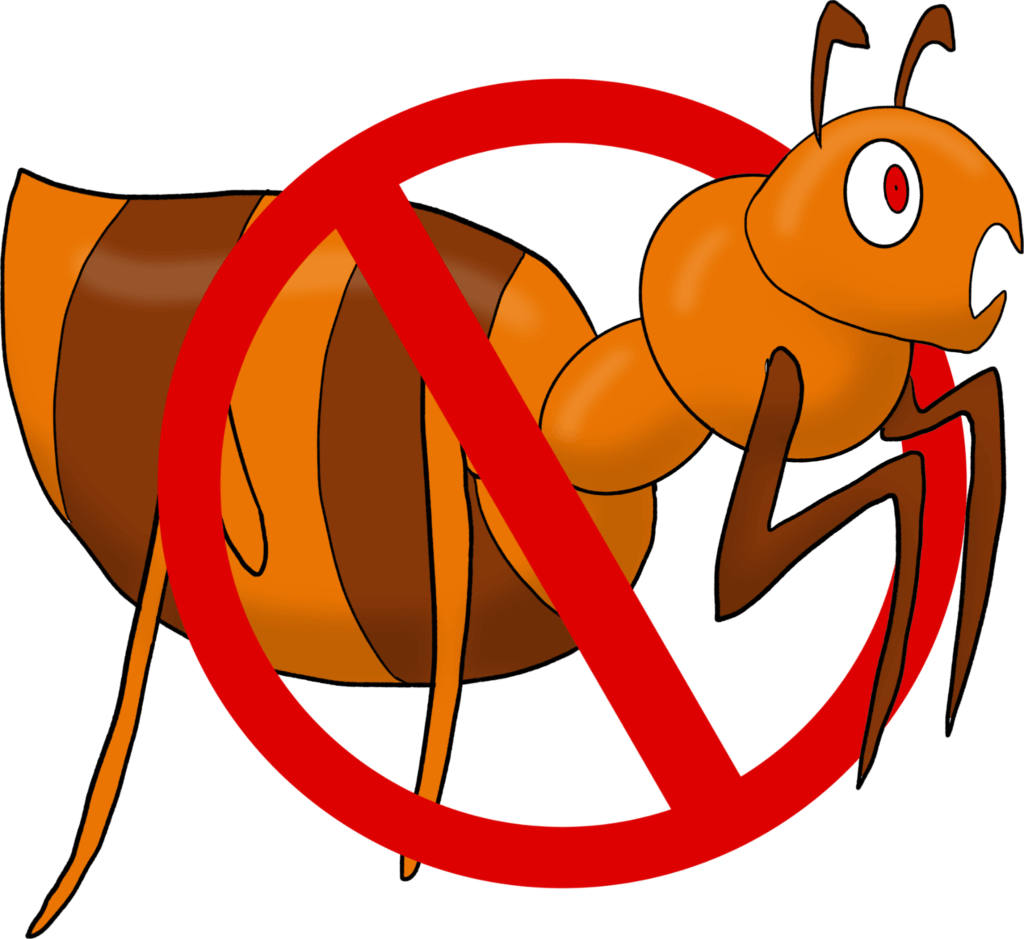
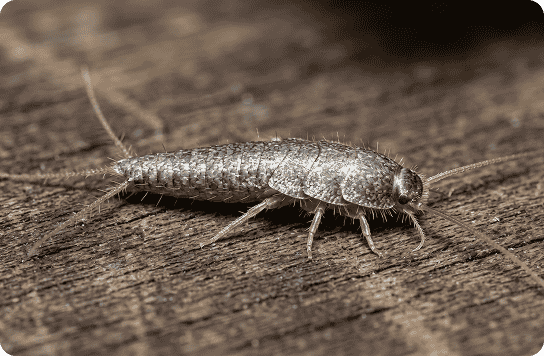
A lot of Windsor homeowners confuse termites for carpenter ants or other wood-boring insects. This uncertainty can delay treatment, especially when the insects are seen only briefly indoors or around a foundation. The key difference is that termites and ants look similar from a distance but have several physical differences when viewed closely.
Another of the easiest features to check is the antennae. Termites usually have straight or https://oakville-onvv423.evergrovio.com/posts/convenient-day-trip-ideas-from-lasalle-on-and-nearby-windsor-excursions slightly curved antennae, while ants have elbowed antennae. Termite bodies also tend to have a more uniform shape, while ants have a narrow waist. If you see swarmers indoors, that does not automatically mean termites, but it does mean you should check further because swarmers can indicate a mature colony nearby.
Carpenter ants can also damage wood, but they do so differently. They excavate wood to build nests rather than eating it like termites do. That means the signs of termites and the signs of carpenter ants can overlap in some situations, but the source of the damage and the treatment plan are not the same. A careful identification is important because a pest control service may recommend different approaches depending on whether the issue is termites, carpenter ants, or another wood-boring insect.
When you are unsure, look for the pattern of damage. Termites often leave a more hidden, tunnel-like effect inside wood, while carpenter ants may leave cleaner galleries with sawdust-like material. Still, the safest option is not to guess. If there is any concern about a pest infestation in your home, a professional can confirm whether you are seeing termites or another pest.
Where termites are usually found in Windsor properties
In Windsor homes, termites are often seen in areas where moisture and wood come together. That is why basements and crawl spaces are very important to check. Many local homes have one or both, and both can hide early evidence of termites because the area is not always visited regularly. A hidden infestation in these spaces may persist for months before the homeowner notices any visible signs upstairs.
Termites also often target the foundation area, especially if there are small cracks or wood elements close to soil. Foundation cracks can create easy entry points, and any dampness around the base of the home increases the chance that subterranean termites will keep eating and expanding. In older properties, the issue can be even more serious if the home has long-term drainage concerns or an aging exterior foundation.
Inside the structure, termites may invade wood framing and other concealed structural elements. These parts of the home are critical to stability, but they are also easy to overlook because they are hidden behind drywall and finishes. When termites reach framing members, they can damage more than just the visible surface. They may also spread into subfloors, trim, and other concealed wooden areas.
Windsor homeowners near the Detroit River or other low-lying, moisture-prone areas should pay extra attention because those locations can support conditions that make termite activity harder to spot. Damp soil, condensation, and seasonal water issues can all contribute to the kind of environment termites prefer. The result is a greater property risk if routine checks are neglected.
What damage termites can cause if left untreated
Left untreated, termites can cause serious termite damage that affects both security and restoration expenses. One of the main concerns is damage to support beams. These weight-supporting pieces are critical to a home’s structure, and if termites hollow them out over time, the building can lose strength even if the outside still looks normal.
Termites can also affect flooring. Homeowners may notice spongy areas, warping, or floor buckling in areas where the subfloor has been weakened. In some cases, the floor may feel irregular or springy before any visible break appears. That kind of change should always be taken seriously, especially if it appears alongside mud tubes, wings, or hollow-sounding wood.
Another area commonly affected is drywall. As termites spread through walls, they can create drywall damage that may look like bubbling, staining, or tiny holes. Sometimes the damage is mistaken for moisture damage, which is one reason many homeowners delay inspection. While water problems can create similar visual signs, termite feeding often adds hidden deterioration behind the surface.
The financial impact can grow quickly. Because termites often attack concealed spaces, the final bill may include not just termite treatment but also restoration work, replacement materials, and labor. In other words, repair costs can rise significantly when early warning signs are ignored. What starts as a small hidden infestation can turn into a major structural repair project if the pest infestation spreads through framing, flooring, or wall cavities.
Tip: If you notice changes in floors, walls, or wood surfaces along with mud tubes or shed wings, do not wait for more visible damage. Early inspection can protect the home and reduce total repair costs.
When to call pest control Windsor to arrange an evaluation
If you think about termite activity, the best time to call pest control Windsor is as soon as you notice signs that indicate a problem. A professional pest inspection can confirm whether the issue is a termite infestation, another wood-destroying insect, or a moisture-related problem that only appears similar. Because termites often stay hidden, waiting for obvious destruction can allow them to do more harm.
A trained exterminator can evaluate the home, inspect likely entry points, and check areas homeowners may miss, including basements, crawl spaces, foundation edges, and interior wall transitions. This kind of inspection is especially valuable when there are subtle clues like hollow-sounding wood, discarded termite wings, or mud tubes near the foundation. Those signs may not be enough for a homeowner to verify the problem, but they are enough to justify a professional look.
If the inspection confirms termites, the next step is termite treatment tailored to the home and the level of activity. Treatment options may vary depending on the severity of the infestation, the construction style, and where the termites are active. The goal is not only to remove the current colony but also to protect the property from future damage.
For Windsor homeowners, early detection is the biggest advantage. The sooner a pest control service responds, the more likely it is that the issue can be handled before it spreads into support beams, drywall, or flooring. A timely response can make the difference between a straightforward treatment and a more involved restoration project.
How Windsor weather and housing conditions affect termite risk
Various local conditions can raise termite risk in Windsor. One of the main is moist summer weather, which raise indoor and outdoor moisture levels. When humidity stays high, it can contribute to a damp setting around the home, especially in basements, crawl spaces, and shaded foundation areas. That environment supports termites survive and makes it harder to spot their movement.
Another factor is the amount of older homes in Windsor and Essex County. A lot of these properties have aging foundations, original wood framing, and dated building details that may not be as defensive to moisture or soil contact as recent construction. As homes age, tiny gaps, cracks, and drainage issues can create easier access for subterranean termites.
Repeated freezing and thawing also are important. When the temperature fluctuates around freezing, the ground and foundation materials grow and shrink. As time passes, that can lead to more cracks and create more opportunities for water to gather near the base of the home. Such conditions can amplify moisture issues around an exterior foundation and make termite activity more likely or more difficult to detect.
Residences near the Detroit River or in surrounding low elevation locations may face even more moisture contact. Riverside damp conditions and poor water flow can increase the property vulnerability, especially where wood meets soil or where ventilation is restricted. In such conditions, preventive measures help: keeping gutters clear, improving grading, sealing foundation openings, and monitoring damp spaces can all minimize the likelihood of infestation.
For Windsor homeowners, termite prevention is not just about acting after damage appears. It is also about knowing how local weather, home construction, and moisture patterns interact. Regular checks and preventive measures can go a long way toward preserving structural integrity.
Frequently Asked Questions: termite infestation signs in Windsor
What are the initial signs of a termite infestation in Windsor?
The first signs of a termite infestation in Windsor often include mud tubes on foundation walls, hollow-sounding wood, discarded termite wings, and small changes in wood or drywall. You may also notice soft spots, bubbling paint, or unexplained moisture-related damage. Because termites usually stay hidden, these early warning signs are often easy to miss. If you suspect activity, a trained pest inspection is the best next step.
How can I tell termites from carpenter ants?
Termites and carpenter ants are frequently confused, but there are clear differences. Termites usually have straight antennae, while carpenter ants have elbowed antennae. Termites also tend to have a thicker, more consistent body shape. Carpenter ants may leave sawdust-like debris, while termites are more likely to leave mud tunnels and voided wood. If you are unsure, an exterminator can identify the pest and provide the correct treatment.
Do termites lead to damage in basements and crawl spaces?
Yes, termites can result in damage in basements and crawl spaces, and those areas are often where the problem starts. Many Windsor homes have these spaces, and moisture can make termite activity harder to see. Subterranean termites often move through damp soil and use foundation openings to reach wood framing, support beams, and other structural elements. Regular inspections are necessary in these lower-level spaces.
When should I call pest control Windsor for an inspection?
You should call pest control Windsor as soon as you notice possible termite signs, such as mud tubes, discarded termite wings, hollow-sounding wood, or floor buckling. Do not wait for major damage to appear. A professional pest inspection can confirm whether you have termites, carpenter ants, or another issue. Early detection usually leads to faster termite treatment and fewer repair work.
Are termite problems common in older Windsor homes?
Older Windsor homes can be at increased risk because aging foundations, original wood framing, and long-term moisture exposure can make it easier for termites to get in and feed. This is especially true in neighbourhoods across Windsor and Essex County where homes may have basements, crawl spaces, or areas with soil contact. If your home is older, preventive measures and routine inspections are a smart idea.
Mosquito Man Windsor
2485 Front Rd, LaSalle, ON N9J 2C5, Canada
+1 226-526-4711
https://maps.app.goo.gl/JwhSC65zfbLWNH6v7
https://mosquitoman.ca/pest-control/windsor/
42.2161228, -83.1003005